Transcript
00:05Hi, I'm Alana Maya with Water World Magazine. I'm here at Ace 18 in Las Vegas,
00:09Nevada with Dave Rubin and Josh Chase from Clara.
00:12Uh Dave Rubin is the director of product management and Josh Chase is the vice president
00:16of Product Management for Water and Gas. So Josh,
00:19maybe you could start off by telling me what some of the problems are with non revenue water
00:23um in terms of water utilities and finding leaks.
00:27Absolutely Ilana and thank you for having us. Uh This is a topic that's very near and dear to
00:33all of our hearts. So as many of, you know, on the Ami
00:39communications side, Clara has been involved in helping water utilities for close to two
00:44decades. And within AMI communications, we're able to
00:49really help utilities uh identify leaks, optimize their
00:56networks. But much of that focus has been behind the
01:00meter. We know that there is a lot more that can be
01:04done when we look at the broader distribution networks.
01:07Specifically, we commissioned a study this year that identified that water utilities
01:14spend about $5 billion a year on treating water that's ultimately lost before it's
01:21ever delivered to the end customer.
01:23So we're really excited about how do we expand beyond ami what we call smart
01:30infrastructure solutions. Uh the industry term for smart water networks,
01:35internet of things, all really the same thing in our minds.
01:40Well, thank you. Um And Dave, can you talk to me about what uh
01:45some announcements that you're making here at the show um in terms of basically managing that
01:50non revenue water. Sure. So we're uh at the show,
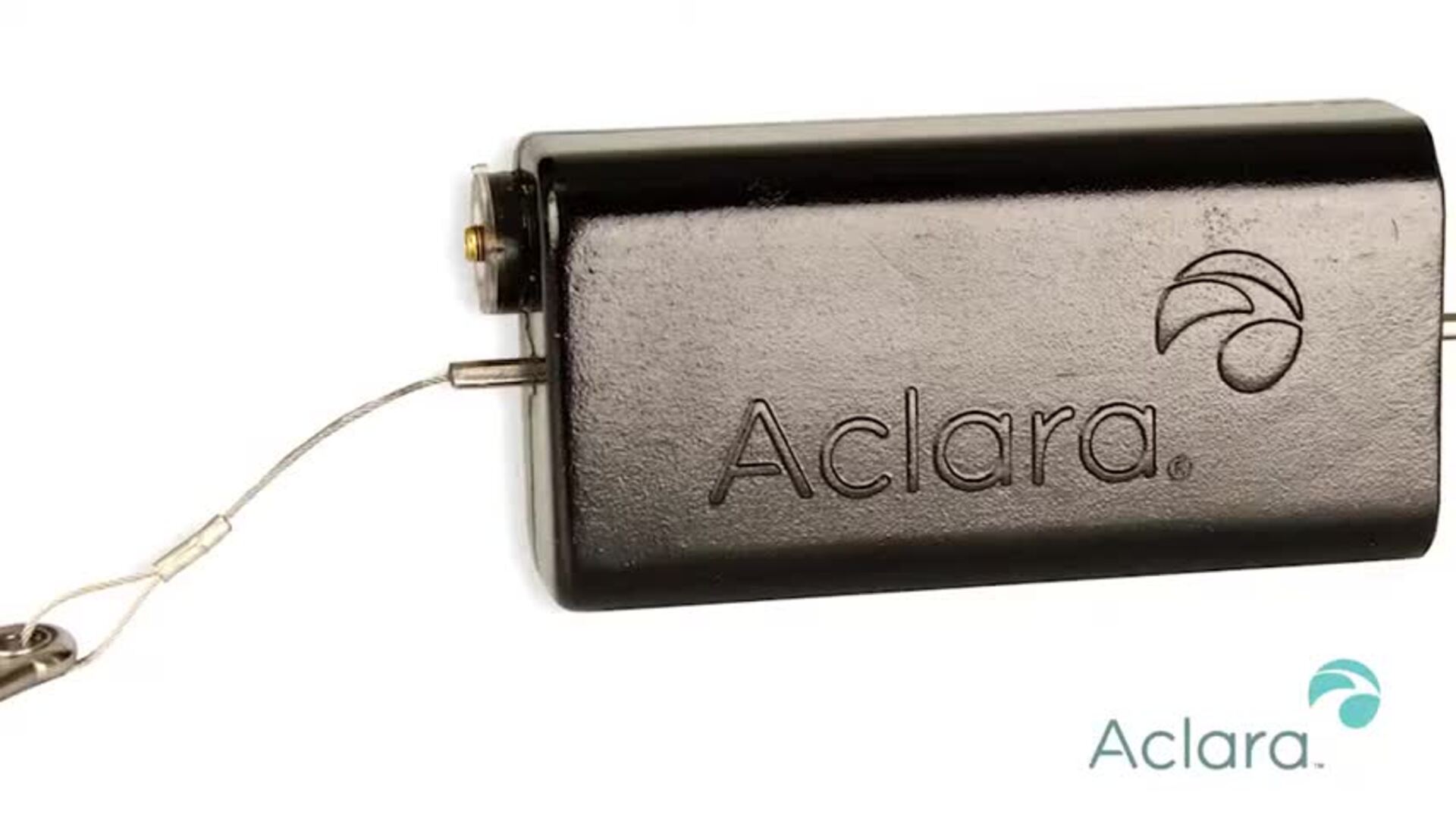
01:52we're announcing our zone scan gen two product. So we've been uh partners with Guterman
01:57technology who's uh international leader in leak detection,
02:01uh especially in the network distribution system for many,
02:04many years. We've had zone scan out for about six years in
02:07the market using the Clara Ami RF network and it's been quite successful and got a lot of
02:13great response. Um We've circled back and improved it and
02:17enhanced it in quite a few ways. Um a much more reliable communication,
02:23longer battery life, more data. It's going to be very reliable and bring
02:29back some really great leak detection data that we've, we've always had,
02:36but it's just very much improved. So we're excited about this product.
02:40We're announcing it here at the show. It's going out in the field as we speak and we
02:45think it's going to be a really strong step forward for network distribution leak detection.
02:51What does the future look like in terms of uh advancements for sensing and distribution
02:56networks? Sure. So um Ami pretty much from the start was a
03:00meter reading technology, a better meter reading technology than AM R drive by whatever
03:05you want to call it. But um for the last few years,
03:08we've really seen that as we put in these networks across an entire utility space,
03:12there's so many more things that the utility both want and that we can deliver.
03:18So leak detection through the network. Uh uh for the distribution network,
03:22leak detection is a really obvious next step where we're reading that data and we're
03:27bringing back through the same communication network to the same head end,
03:31all automated. You don't have to send anybody out to the field.
03:34It comes back shows up on your uh head end software and you can do all your analytics and
03:38all your decision making right there in the head headquarters.
03:41But that leads to a lot of other applications. One, for example,
03:44pressure monitoring. So one of the things people are doing to
03:47mitigate their leaks is they might lower the pressure across their system,
03:52which is hard to do if you don't have a real good insight into what the current pressure the
03:56system is running at. So if we put pressure sensors across the
04:00network again, coming back through our network in real time,
04:04so you see accurate very up to date data about what the pressure is running at.
04:10Maybe I can turn the pumps down, maybe I can close some pressure valves lower my pressure,
04:14which has the effect of less water is being pushed out through leaks,
04:18less stress on the pipes. Cracks don't open up as quick pipes don't burst.
04:23So all kinds of things related to the specific leak detection can come through pressure
04:29monitoring. Beyond that, there's just lots of different
04:33things we can do across the network. Using that communication scheme,
04:37obviously monitoring pressure for leak detection, water quality,
04:41even controlling remotely the pumps and the valves.
04:44I spoke of earlier doing all this through your uh Clara mir network that you've installed
04:49across your entire city becomes a pretty easy add on.
04:53And then we have a whole road map of other things we're going to attack with this smart
04:59smart utilities and smart networks and internet of things.
05:02Again, leveraging the Clara RF network.
05:06Well, thank you so much. It sounds like you've got really an overall
05:08solution to managing distribution networks and finding leaks.
05:13Yeah, we're pretty excited about being able to help utilities far beyond their billing,
05:17which is, which is a great start, but there's so much more that can be done and we're,
05:20we're dedicated to helping them uh to manage their networks better.
05:25Well, that's great. Thank you both so much for taking the time to
05:27speak with me. Thanks for Water World magazine,
05:30I'm Alana Maya.

Aclara WaterWorld Prodcast at AWWA ACE18
- private